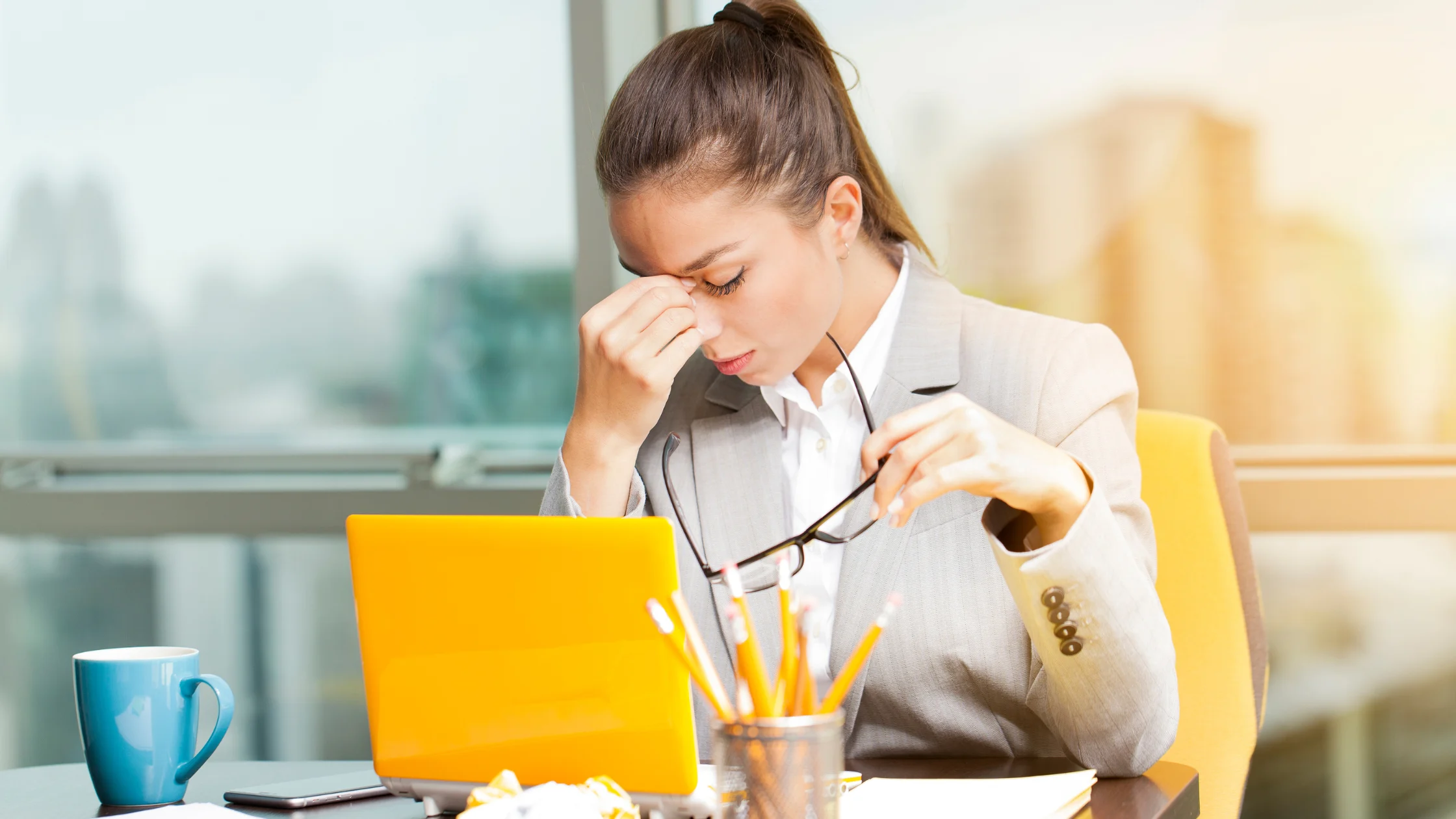
The word stress is thrown around in the present day like it might be weightless—we chalk up much of our external or internal pressures and our overwhelm to feeling or being stressed. We feel buried, stretched thin, or on the verge of our breaking points and brush it aside by saying, “It’s just stress.”
Defining and recognizing stress, however helpful a step, isn’t truly a fix.
Stress affects more people than ever these days, both at acute levels (short-lived) and chronically (long-term). Side-effects such as anxiety, depression, addiction and fatigue are commonplace prevalences in modern society, showing that as a whole, people are struggling to successfully cope with stress.
Like many other things, it’s easy to push stress aside dismissively and say we'll deal with it later. This mindset can cause a pileup effect for everyday tasks, making it challenging to complete things like getting out of bed, paying bills, raising children, trying to keep a relationship together, and staying on top of your own health and needs.
There are plenty of tactics you can implement to help you reduce your stress levels quickly and effectively; sometimes the effects can be immediate.
Detailed here are some useful tactics to keep in your personal wellness toolbox that will allow you to decompress and reduce your stress, so, take a deep breath and smile, light a candle and read on—because you’re about to become a lot less stressed!
-
Play Music You Love
When you’re wound up tight, there’s no better way to feel uplifted and immediately looser than by listening to music. This is scientifically proven—music lowers blood pressure, reduces cortisol, and has other positive benefits on your brain.
So, crank up the tunes, sing along, and don’t be afraid to dance a little, as just about any type of music (though research suggests classical may have the most beneficial side effects) will put you in a better mood and put your problems in perspective.
Making playlists for your day, such as a half hour “good morning” and “good night” playlist, may also be useful. These can help you set the tone for the day, wind down from the day, and accompany you through routines or commutes.
-
Eat Whole Foods & Limit Alcohol Intake
While we might feel like we need a stiff drink at the end of a long day to reduce stress, that can become a harmful and counteractive habit. In fact, alcohol actually inhibits a good night’s rest and may increase the prevalence of anxiety and depression, disturbing not only your circadian rhythm, but also your peace.
Likewise, you might find yourself reaching for a late-afternoon pick-me-up of the caffeinated sort to help you last through the rest of the day, but that can cause a short-term spike in blood pressure and may overstimulate your hypothalamic-pituitary-adrenal (HPA) axis—this is the body’s central neuroendocrine system that releases cortisol, helping you manage stress, immunity, energy levels and your mood.
Instead of caffeine or alcohol, switch to tea or mocktails. NA beverages can be just as fun and flavorful as their alcoholic counterparts, and teas can have many different health benefits for inflammation or the digestive system.
Maintaining a clean, healthy food intake is also pivotal to ensuring your mind and body are functioning well. Anti-inflammatory eating styles, such as the Mediterranean diet, can help counteract the effects of stress on your body.
Border shopping in the grocery store is a great way to avoid unnecessary or harmful chemicals, oils, and processed or refined sugars. Sticking to the outskirts of your local market (think fruits and vegetables, meats, dairy and grains) will help you reduce the negative effects of highly processed foods on your energy levels.
-
Move Your Body—Even Just A Little
Exercise is one of the best natural stress relievers, as physical activity releases endorphins almost immediately, enhancing your mood.
The good news is that we don’t need long hours at the gym to see the physical and mental health benefits of exercise. Even a short walk under the sun getting some fresh air, standing up and stretching at work, or a quick bicycle ride will lower your stress levels.
The effects of getting regular exercise are both physical and mental, helping you feel stronger, more confident and capable inside and out.
-
Focus on Rest
The effects of stress extend beyond the conscious world, and can affect our subconscious as well. Sleep disruptions are quite common when the body is under duress, causing you to toss and turn, ruminate on negative thoughts, or feel anxious and restless when you should be in deep sleep.
Unfortunately, missing a good night’s sleep can trigger an unfortunate cycle of continued stress, more anxiousness, and thinking less clearly throughout the day.
So, it’s important to get enough rest by carefully guarding the right conditions for sleep. Take a nap during the day – but not too long. Get plenty of morning sunlight. Try to keep a consistent sleep schedule. Dim the lights, turn off those screens and put down the phone in the evening, and try some deep breathing before it’s time to hit the sack.
-
Practice Breathing Exercises (like box breathing)
Integrating deep, mindful and intentional breathing into your daily routine can help relax your body and clear your mind, reducing stress.
Box breathing is a great, easy breathing exercise to help you get started. This technique is actually used by Navy Seals to calm down and change their physiology when they need to deal with incredibly stressful or even dangerous situations.
Box breathing allows them to calm their nervous system, think clearly, recuperate, and even fall asleep faster. So what does it take? The steps are simple: breathe in for a count of four, hold your breath for a count of four, breathe out for a count of four, hold for a count of four, and repeat.
This breathing exercise helps to regulate your heart rate while giving your brain something to focus on (the counting) to help distract you from negative or anxious thoughts and tendencies.
-
Lean On Your Support System
When you’re just about at your breaking point with stress, the worst thing you can do is hold it all inside. Instead, call your best friend, talk to your spouse or family, and chat with a confidant. This could even mean finding a therapist, which is a wonderful step in taking care of yourself and forming healthier relationships or habits.
You’ll have to release the notion that expressing vulnerabilities and asking for help are weaknesses—it actually takes huge strength and emotional intelligence to be able to open up and rely on others. Sharing how you feel and what you’re going through will help you lighten the load and also create space for understanding and deeper connections.
A GoBundance Women Membership is a great way to find a support system of like-minded women and build lasting connections beyond business! Apply for a GBW Membership today to get connected with your future tribe.
-
Engage In Mindful Somatic Experiences
Getting in touch with your somatic system is a great way to begin to release stress or trauma that might be stuck in the body. Somatic experiences have to do with the mind-body connection, and focusing on noticing and processing physical sensations can release leftover stress from fight, flight or freeze mode—otherwise known as survival energy. Somatic experiences thus regulate the nervous system.
Some effective ways to engage in somatic experiences include mindful movements like yoga, dancing, Tai Chi, or even grounding, such as feeling your bare feet on the ground or water on your skin.
These practices help you connect more with your body to keep you in tune to unwanted feelings like stress, while lowering your cortisol, regulating your nervous system and calming the heart rate.
-
Introduce New Experiences
When the daily grind starts wearing you down, it’s a great idea to step away and gain a new perspective by introducing a new experience to your nervous system to shake up the routines you might be feeling stressed in. Jump in the car and take a drive to a destination unknown, plan a day trip to the beach or go hiking, or even plan your next vacation!
A change of scenery and a break from your routine will really help you recalibrate your mental and emotional outlook, relieving some of the stress and helping you feel refreshed. It can also help your body separate from the “familiar” and perhaps stress-inducing routines or experiences that might be wearing on you in daily life.
-
Revive Your Hobbies and Passions
Having hobbies and passions that are solely for your own enjoyment and not performative can be so relaxing for the senses. Take a break, slow down, and reengage with something you love by getting back to those long-forgotten hobbies.
Whether you love painting, gardening, fishing, or baking, being creative and doing something you’re passionate about will bring you joy and peace. In the instance of hobbies and passions, it’s okay to be a little self-serving! You’re doing this for your nervous system/s benefit. In fact, research proves that these activities you cherish can reduce your stress level by nearly half and lower your heart rate significantly.
-
Remember to Laugh
Laughter is one of the best stress relievers, whether it’s a good chuckle, a quick hahaha, or cracking up at something hilarious. Yes, laughter truly is the best medicine!
A good laugh “tricks” your nervous system into shifting to a positive state, releasing endorphins, improving your mood, and lowering levels of cortisol and adrenaline, the stress-inducing hormones.
So, listen to a comedy sketch, watch your favorite comedy movie, or just hang out with that hilarious friend who always leaves you in stitches. And should you be blessed to have smile lines from this, you’ll get to wear proof of the joy you’ve felt for everyone to see.